







22/10/2026
If you have a pile of bags, an old sofa, broken bits from a DIY job, or a garden heap that's...
We provide rubbish clearance in Harrow for customers who need unwanted items, bulky waste or general clutter removed with care and practical planning. Our work covers domestic and commercial collections, furniture removal, garden waste, builders waste, appliances and full or partial property clearances. If you want a straightforward way to deal with mixed waste in one visit, we can help you make sense of the job and move it on efficiently.
For many customers, the service is about restoring usable space without turning the process into a drawn-out project. That might mean removing a few awkward items from a flat, collecting accumulated waste from a shop or office, or clearing the remains of decorating or renovation work. We focus on clear communication, suitable loading, and sensible disposal arrangements so the job is handled as a proper service rather than a hurried lift-and-go exercise.
Choose Rubbish Clearance Harrow when you need an organised collection that deals with the sort of waste people do not want to transport themselves. If you are comparing options, ask for a quotation once you know the type of items and the access involved.
Household waste builds up in different ways, from broken furniture and old boxes to redundant clothes, bagged rubbish and mixed items stored in sheds, lofts or spare rooms. Domestic clearance is useful when standard bin collections are not enough or when the volume and mix of items make self-disposal awkward. We can remove a broad range of non-hazardous household waste and leave the area ready for its next use.
Some clearances are simple and some need a little more sorting. A lounge may contain a sofa, tables and smaller loose items; a garage may hold long-forgotten storage, bicycles or broken fittings; a garden room may combine soft furnishings with damp cardboard and household odds and ends. The more clearly items are grouped, the easier it is to plan the load, but we can also work from a mixed pile when that is how the waste has accumulated.
Where access is limited, it helps to know whether items are on a ground floor, up stairs or in a garden area. Domestic waste collection is often the right choice for smaller but awkward household loads, while larger clear-outs may be better handled as part of a broader property service. If you are planning a move or a refresh, it is sensible to list the main items first so the collection can be matched to the work.
Bulky items need more than simple lifting, particularly when they have to be moved through hallways, stairwells or shared access points. Sofas, wardrobes, beds, mattresses, white goods and other heavy possessions often require careful handling to avoid damage to the property and to the items around them. A clear process matters here, because one large item can affect the route and shape of the whole collection.
We also handle disposal of items that are awkward because of weight, size or fixings. Fridges, washing machines, freezers and similar appliances can take planning if they need disconnecting first or if the route out of the building is tight. Furniture may need to be dismantled before removal, and some loads combine reusable pieces with damaged or unusable items. The aim is to remove them in a practical way without making the customer solve the heavy lifting themselves.
Furniture removal is suited to individual bulky items, while appliance disposal can be arranged separately when white goods are the main concern. If you are unsure how to describe the load, keep the description simple and factual rather than trying to categorise every piece in advance. A clear enquiry usually makes the quotation process smoother.
Outdoor waste tends to be varied: branches, hedge cuttings, soil, old pots, broken fences, bags of leaves and redundant timber can all appear in the same space. Garden clearance is useful after routine maintenance, landscaping, storm damage or a long period where the outside area has not been sorted. It is also a practical answer when green waste has become mixed with household rubbish or light builders waste.
Because garden waste can be bulky but light, loading needs to be planned differently from dense household waste. Cuttings and branches may be compacted, while soil and turf add weight quickly. Timber, sheds, edging and other hard materials can require separate treatment depending on how they are fixed or stacked. The work is often quicker when items are gathered into obvious piles, but we can also deal with mixed garden clutter where a little sorting is still needed.
Garden waste removal helps when you want outdoor waste taken away without arranging multiple trips. A smaller tidy-up may only need a modest collection, while larger redesigns can leave several different material types to remove together. If the job includes old furniture, fencing or disassembled structures, it is worth mentioning that early so the load can be assessed properly.
Building and refurbishment work often leaves behind rubble, timber offcuts, packaging, broken fixtures, plasterboard, old fittings and mixed debris. This kind of waste is different from domestic rubbish because it is heavier, messier and more likely to include multiple material types. Clearing it promptly helps restore access around a project, whether the work is at a home, shop, rental property or smaller site.
The key factor is usually not just volume but composition. Some loads are mostly loose and easy to sweep up, while others include awkward fragments, bagged waste and heavier boards or tiles. Renovation debris may also be spread between rooms, outside spaces and access paths, so a sensible removal plan can make the site easier to manage. Where the work is split across several areas, it is useful to identify the main hotspots rather than trying to describe every scrap individually.
Builders waste removal is the natural fit for decorating, refurbishment and strip-out debris. If the material also includes old furniture or general household items, those can often be discussed at the same time so one collection covers the whole job. Take a quick inventory of any heavy or unusual items before requesting a quote, as that helps avoid surprises on the day.
Businesses need rubbish clearance for reasons that are often different from domestic jobs. Office moves, retail changes, storage tidy-outs, stock room clearances and refurbishments can all create waste that must be removed without disrupting the space more than necessary. Commercial collections are especially useful when the waste is mixed, time-sensitive or spread across storage areas, back rooms and work surfaces.
A workplace clearance may include old shelving, packaging, damaged stock, office furniture, obsolete equipment and general non-hazardous refuse. The important decisions are usually about access, timing and the type of waste produced, because those factors affect how the load is organised and what sort of collection makes sense. In some cases, it is better to remove everything in one coordinated clearance rather than calling for several smaller visits.
Commercial waste removal suits premises that need a dependable way to clear accumulated rubbish, while white goods and appliance disposal is helpful where premises are replacing bulky equipment. If you are arranging a larger workplace job, it is wise to separate stock, equipment and general waste where possible so the quotation can reflect the actual scope of the collection.
Most collections go more smoothly when the main details are clear from the start. The type of waste, the approximate quantity, the access route, and whether any items need dismantling all influence the work involved. Photographs can be useful, but a plain description of what needs removing is often enough to begin with. If there are stairs, tight corridors, parking limits or shared entrances, those details should also be mentioned because they affect the practical side of the job.
It is also helpful to say whether the clearance involves one room, several floors, an outdoor area or a combination of spaces. That matters because mixed jobs can include different handling requirements, from lightweight bagged waste to heavy or awkward items. If some pieces are staying and others are going, a simple note about what should be left in place makes the process more efficient and reduces the chance of confusion when the team arrives.
Pricing and quotes can be discussed once the likely load is understood, and services overview gives a broader view of the main options available. If you are ready to move forward, send the details you already have and we can help shape the job into a usable quotation.
Good rubbish clearance is not only about moving items away; it is also about what happens next. Different materials need different handling, and a responsible service should separate suitable items for recycling or appropriate disposal where possible. That matters for mixed loads, because a single collection can contain several waste streams even when the customer only sees one pile in the room or driveway.
Compliance and safe handling are especially important for business customers and for jobs involving larger volumes or heavier waste. Some materials require extra care, and some items may not be suitable for ordinary mixed waste treatment. A clear description at the start helps avoid misclassification, while organised loading helps keep the collection manageable. The same principle applies whether the waste comes from a house, a trade job or a commercial unit.
Recycling and sustainability explains how recoverable material is approached, and waste carrier licence and compliance is useful for customers who want to understand the obligations behind proper disposal. For any clearance, the more accurately the waste is described, the more efficient the planning can be.
Harrow is a large suburban district in northwest London with a history that is visible in both its older core and its later residential growth. Harrow on the Hill is the best-known historic focus, with a village-like street pattern shaped by the hilltop setting and by institutions that have been present there for centuries. The wider borough includes places such as Wealdstone, North Harrow, Kenton and Rayners Lane, each with its own character, while still connecting into the same broad urban area. The geography is varied for outer London: higher ground around Harrow on the Hill gives way to flatter neighbourhoods and transport corridors, creating a patchwork of housing, shopping streets and civic space.
Harrow contains a mix of terraced houses, larger suburban homes, flats above shops, apartment blocks and commercial premises, so rubbish clearance often needs to account for different access conditions. Some jobs are straightforward ground-floor removals, while others involve stairs, shared entrances, basement storage or limited parking. The shape of the property matters because it can change the loading route and the time needed to move heavy or bulky items safely. Clearances are therefore more effective when the route out is considered alongside the waste itself.
We also see jobs where contents are dispersed across a property rather than sitting in one obvious pile. That can happen after a tenancy ends, during a move, or when storage rooms and loft areas have been used for years. In those cases, a practical approach is to identify the main categories of items first, then decide which pieces can be taken together and which may need separate handling. The same applies to gardens, garages and small commercial stores, where waste may be mixed with items still in use. If you are deciding what to keep and what to remove, house clearance is useful where the job involves a fuller property clean-out rather than a few isolated items.
Contact us to request a quotation when you have the main items and access details to hand.
Different rubbish jobs call for different service types, and choosing the closest fit makes the quotation clearer. Domestic collections work well for mixed household waste and day-to-day clutter. Furniture removal is best for sofas, beds and other bulky pieces. Garden waste removal suits green waste, outdoor materials and seasonal tidy-ups. Builders waste removal is the natural option for renovation debris. Commercial waste removal is the sensible route for business premises and workplace clearances.
If the job combines several of these, it is usually better to describe the overall load rather than trying to split the enquiry too finely. A home renovation may leave both broken fittings and old furniture. A shop refit may produce packaging, shelving and redundant stock. A household move may uncover appliance waste alongside general rubbish. One clear description of the whole task helps the service match the actual work, which is why a few well-chosen details can be more useful than a long list of guesses.
For customers comparing options, think about what is actually leaving the property and which items are simply being moved to another room or kept for later use. That distinction keeps the enquiry accurate and avoids unnecessary complication. If you are ready to proceed, the final step is to request a quotation and arrange the collection details.
Rubbish clearance in Harrow for homes, landlords and businesses, including furniture removal, garden waste, builders waste and house clearances. Request a quotation today.
If you have a pile of bags, an old sofa, broken bits from a DIY job, or a garden heap that's...

Running a business in Harrow means dealing with the everyday reality of bins, sacks, cardboard,...

If you are dealing with fly-tipping, a skip on a tight street, or the worry that someone has...

If you are trying to get rid of an old sofa, broken wardrobe, mattress, or a pile of household...

Booking a rubbish collection in Harrow should feel straightforward. You want the waste gone, the...

If you are arranging a rubbish clearance in Harrow, access is often the bit that decides whether...

Same day rubbish removal sounds simple enough: book in the morning, clear the mess by evening,...

If you are trying to sort out unwanted waste near Harrow Station and St Georges, you are probably...

If you have ever booked a rubbish clearance job and then felt that sinking feeling when the final...
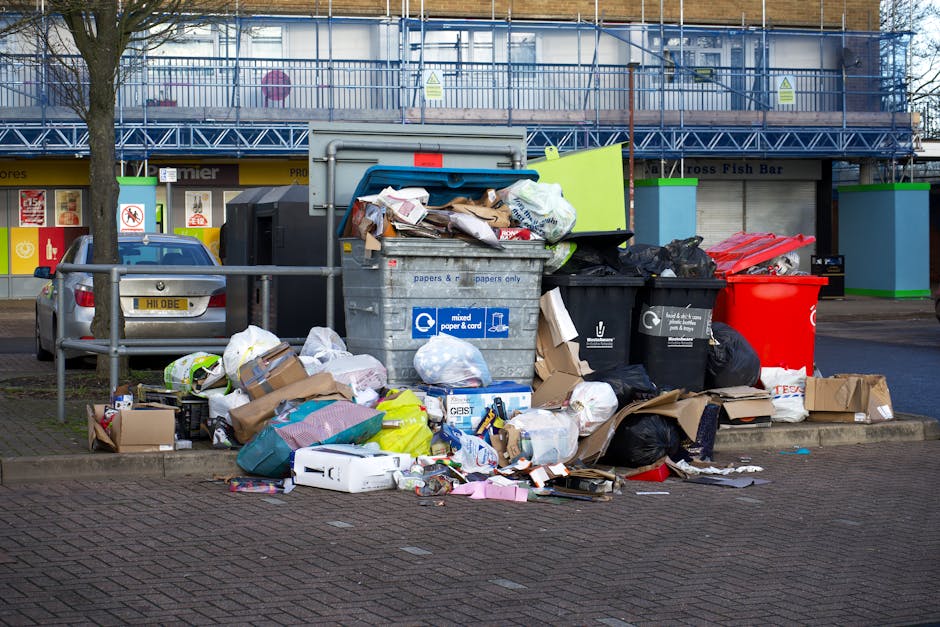
If you live, work, or are clearing out a property around North Harrow and the wider HA2 area,...

If you live, work, or renovate in Wealdstone and the wider HA3 area, rubbish has a habit of...

If you need rubbish cleared near Harrow on the Hill, chances are you want it done quickly,...

 (86)
(86)
Please fill out the form below to send us an email and we will get back to you as soon as possible.