Rubbish clearance near Harrow Station and St Georges
Posted on 14/06/2026
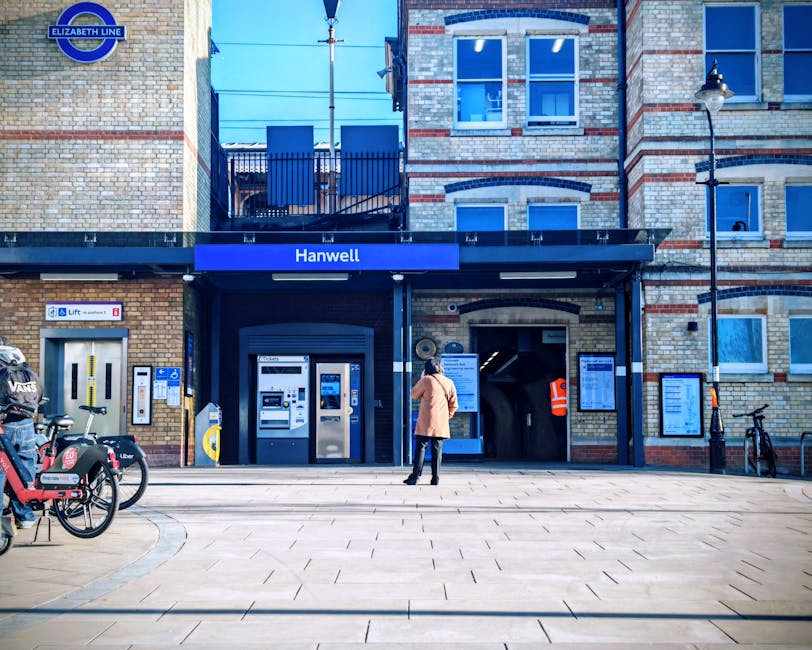
Rubbish clearance near Harrow Station and St Georges: a practical local guide
If you are trying to sort out unwanted waste near Harrow Station and St Georges, you are probably after the same few things most people want: speed, a fair price, and a team that actually turns up when they say they will. Rubbish clearance near Harrow Station and St Georges can be straightforward, but only if you know what to expect, what to ask, and how to avoid the usual headaches. This guide walks you through the process in plain English, from booking and pricing to compliance, recycling, and the kinds of jobs that make the most sense for a professional clearance service.
Whether you are clearing a flat after a move, tidying a garden, dealing with old furniture, or shifting builders' debris after a renovation, the nearby area around Harrow Station and St Georges has its own practical quirks. Busy roads, parking limits, shared access, and time pressure can all make a simple job feel more complicated than it should. Let's make it easier.
- Why rubbish clearance near Harrow Station and St Georges matters
- How rubbish clearance works in practice
- Key benefits and practical advantages
- Who this is for and when it makes sense
- Step-by-step guidance
- Expert tips for better results
- Common mistakes to avoid
- Tools, resources and recommendations
- Law, compliance, standards and best practice
- Options and comparison table
- Case study or real-world example
- Practical checklist
- Conclusion
- Frequently asked questions
Why Rubbish clearance near Harrow Station and St Georges Matters
Local rubbish clearance matters because waste has a way of becoming a problem faster than you think. One day it is a single broken chair and a couple of bags. A week later it is a pile of cardboard, an old mattress, some garden cuttings, and a washing machine that nobody wants to lift. In a busy part of Harrow, clutter can also affect access, neighbours, and the overall feel of a property. That matters whether you are a homeowner, landlord, tenant, shop owner, or contractor.
Near Harrow Station and St Georges, convenience is a big part of the value. People often need clearance at short notice, sometimes between work shifts or during a move. A service that understands local streets and access issues can save a surprising amount of time. To be fair, that is what most people want: less faff, less lifting, less stress.
There is also a hygiene angle. Waste left too long can attract pests, create odours, and make a space feel genuinely unpleasant. A small amount of rubbish is easy to ignore for a day or two. But if you live with it, you stop noticing how much it affects your mood. Then the big clear-out becomes the only sensible option. That is normal, by the way. Happens all the time.
If you are comparing options across Harrow, you may also find it useful to look at broader service information in the site's services overview or read more locally focused guidance such as best rubbish clearance services near Harrow on the Hill. It helps to see how different areas of Harrow can have different access and scheduling needs.
How Rubbish clearance near Harrow Station and St Georges Works
Most rubbish clearance jobs follow a simple pattern. You describe what needs removing, the provider estimates the job, a collection time is arranged, and the waste is taken away for sorting, reuse, recycling, or disposal. The best services keep the process transparent. They tell you what they can and cannot take, how they price the work, and whether labour, loading, and transport are included.
In practical terms, the job often starts with a quick look at the volume and type of waste. Some clearances are a few bulky items. Others are mixed loads with bags, furniture, and heavier materials. Builders' waste, for example, is very different from a house clearance. A good company will not treat them all the same, because the handling, sorting, and disposal routes can vary quite a bit.
Here is the usual workflow:
- You explain what needs clearing and where it is located.
- The provider asks about access, parking, floor level, and any awkward items.
- You receive a quote or estimate based on volume, weight, and labour.
- A collection slot is arranged, often with some flexibility for busy local roads.
- The team arrives, loads the waste, and removes it in one visit where possible.
- The waste is sorted responsibly, with recyclable materials separated out where practical.
For domestic jobs, the process is usually quick and tidy. For commercial sites, there may be repeat collections, access instructions, or out-of-hours timing to avoid disrupting business. If you want a more tailored domestic approach, the page on domestic waste collection in Harrow is a sensible place to compare what is typically included.
Key Benefits and Practical Advantages
The obvious benefit is that the rubbish disappears. But the real value is usually wider than that. A proper clearance service can make a property safer, easier to use, and easier to hand over, rent out, sell, or refurbish. In a place where homes and businesses often need to stay usable while life keeps moving, that is no small thing.
Some of the main advantages include:
- Time saved: no repeated trips to a disposal site, no loading a car full of heavy bags.
- Less physical strain: bulky items and stairs are handled by people used to lifting them.
- Cleaner spaces: rooms, gardens, garages, and offices become usable again.
- Better organisation: useful items can often be separated from waste during the clear-out.
- Reduced disposal mistakes: the risk of dumping something in the wrong place is lower.
There is also peace of mind. If you have ever stood in a room full of old furniture, paper, and broken bits of who-knows-what, you will know the feeling. It is not just clutter; it is mental noise. Getting it removed can be oddly relieving.
For people upgrading a property or preparing a sale, clearance can also help the place present better. That is especially relevant if you are browsing local property insights such as your path to buying property in Harrow or reading about realty transactions in Harrow. A clean, empty space is simply easier to judge, manage, and move through.
Who This Is For and When It Makes Sense
Rubbish clearance near Harrow Station and St Georges is not just for big clear-outs. It suits all sorts of everyday situations. Sometimes it is obvious. Other times people wait too long because they assume the job is too small, too awkward, or not worth arranging. Truth be told, those smaller jobs are often exactly what makes the service worthwhile.
This kind of clearance tends to suit:
- People moving home or preparing a rental property
- Landlords clearing items left behind after a tenancy
- Homeowners dealing with loft, shed, garage, or spare room clutter
- Families replacing old furniture or white goods
- Builders and decorators with renovation waste
- Local businesses removing unwanted stock, packaging, or office items
- Anyone who cannot easily transport bulky waste themselves
It also makes sense when timing matters. Maybe you have an inspection coming up. Maybe the estate agent wants the property ready by Friday. Maybe the old sofa has been sitting there for three months and you are finally done looking at it. There is no shame in that. None at all.
If the job is more specialised, such as a full property clearance or a larger volume of mixed household items, a dedicated house clearance service in Harrow may be more suitable than a basic man-and-van style collection. For furniture-heavy jobs, see also furniture removal in Harrow.
Step-by-Step Guidance
If you want the smoothest possible experience, a little preparation goes a long way. You do not need to stage the whole property like a magazine shoot, thankfully, but you should have a rough plan before the team arrives. That keeps the job efficient and helps avoid awkward surprises.
- Sort the waste into rough categories. Put furniture, bagged waste, metals, wood, garden waste, and appliances apart if you can.
- Identify any items that need special handling. Fridges, freezers, TVs, paint, chemicals, and some electricals may need separate treatment.
- Check access. Think about stairs, narrow hallways, parking, and whether the collection vehicle can stop nearby.
- Take a quick photo set. A few clear pictures often make quoting easier and reduce back-and-forth.
- Ask what is included. Labour, loading, disposal, recycling, and VAT can all affect the final price.
- Confirm timing. If you need a morning slot, mention it early. Same with building access or concierge rules.
- Prepare the space. Keep walkways clear and make sure the team can reach the items safely.
When the team arrives, a good operator will usually check the load, confirm the price if needed, and get on with it. No drama. The best collections feel almost boring, which is actually a compliment. No drama is ideal.
For heavier, messier, or more technical clearances, you may want to compare specialist options such as builders' waste removal or white goods and appliance disposal. Those items often need different handling than everyday household rubbish.
Expert Tips for Better Results
Here is where small details make a real difference. In our experience, the jobs that go best are the ones where the customer gives a clear brief and the provider asks decent questions. Sounds simple, but it saves time and avoids awkward add-ons later.
A few practical tips:
- Be honest about the volume. Underestimating the load is the fastest way to get a price mismatch.
- Mention awkward access early. Basement steps, top-floor flats, and tight parking are not a problem if they are known in advance.
- Separate reusable items where possible. A decent provider may be able to keep some materials out of the waste stream.
- Ask about same-day or next-day availability. If you are under pressure, timing matters as much as price.
- Choose a provider that explains disposal properly. If everything is described vaguely, that is a bit of a warning sign.
One local-style observation: around commuter-heavy spots, people often want collection windows that fit around work, school runs, or delivery times. Morning slots can go quickly. If you need a specific window, book early. Simple as that.
For a better feel for the wider area and how local living influences service expectations, you could also browse an overview of Harrow as a place to live. It gives helpful context if you are making clearance decisions for a move, sale, or refurbishment.
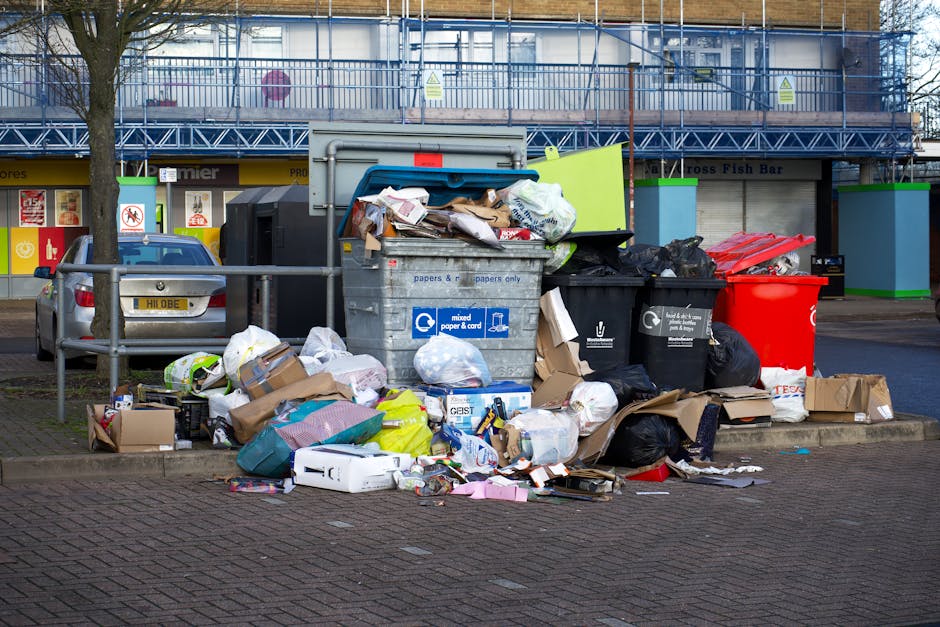
Common Mistakes to Avoid
Most rubbish clearance problems are avoidable. The trouble is, people tend to notice the details only after the van has arrived or the invoice is different from what they expected. A little planning prevents that annoying "oh, right" moment.
Common mistakes include:
- Not checking what the service will take. Some items need separate handling or may not be accepted.
- Forgetting about access restrictions. A van that cannot park nearby can slow everything down.
- Mixing different waste types without mentioning it. Builders' rubble, appliances, and household rubbish are not interchangeable.
- Choosing on price alone. Cheap quotes can hide exclusions or poor disposal practices.
- Leaving the load unprepared. If the team has to spend extra time sorting, the job can take longer than needed.
There is also the classic mistake of waiting until the waste becomes an emergency. Then everything is rushed, and rushed decisions are usually the expensive ones. Been there, seen that, and it is never the nicest way to spend a morning.
Another thing to watch: if a provider cannot clearly explain their compliance position, move on. You want straightforward answers, not evasive ones.
Tools, Resources and Recommendations
You do not need a lot of equipment to prepare for rubbish clearance, but a few simple tools help. Gloves, strong bin bags, a marker pen, and a tape measure are often enough for sorting and planning. A phone camera is useful too, especially for showing access points or bulky items before the visit.
For planning a better clearance, these internal resources can help you get your bearings:
- pricing and quotes guidance for understanding how estimates are usually put together
- recycling and sustainability information if you want to reduce landfill where possible
- waste carrier licence and compliance details for peace of mind about proper handling
- insurance and safety information if your site has awkward access or valuable surroundings
- about us if you want to know more about the people behind the service
It can also help to think seasonally. After renovation season or spring clearing, disposal schedules often feel busier. Nothing dramatic, just a bit fuller. If your job is flexible, you may get more choice by avoiding the obvious peak rush. That is one of those tiny local advantages people forget about.
Law, Compliance, Standards, or Best Practice
Waste clearance in the UK is not something to treat casually. You do not need to memorise legislation, but you should expect the provider to work responsibly and be able to explain how they handle waste. That includes transporting waste legally, sorting recyclable materials where practical, and disposing of items through proper routes.
As a customer, a sensible best practice is to ask three basic questions:
- Are you licensed to carry waste?
- How do you handle recycling and disposal?
- What is included in the quoted price?
Those questions are not fussy. They are normal. A trustworthy company should answer them clearly and without sounding annoyed. If they do sound annoyed, well, that tells you something.
It is also worth understanding that some items require special care. Electrical appliances, refrigerants, paint, chemicals, and certain bulky materials are not the same as general household rubbish. If in doubt, ask before collection. If you are managing waste from a commercial site, the standard should be even higher, which is one reason many businesses prefer a specialist route such as commercial waste removal in Harrow.
For anyone concerned with ethical business practice, policies such as modern slavery, privacy, terms, and payment security also matter. They may sound administrative, but they reflect whether a company takes trust seriously. You can review related information on modern slavery statement, privacy policy, terms and conditions, and payment and security.
Options, Methods, or Comparison Table
People often compare rubbish clearance with hiring a skip or making multiple trips to a disposal facility. The right choice depends on the volume, weight, access, and how much lifting you want to do yourself. There is no universal winner here.
| Option | Best for | Pros | Trade-offs |
|---|---|---|---|
| Professional rubbish clearance | Mixed loads, bulky items, limited time, awkward access | Fast, labour included, minimal effort, often one visit | Usually priced higher than DIY, depending on load size |
| Skip hire | Ongoing projects, repeated filling, building work | Good for staged clear-outs, flexible over several days | Needs space and permits may be relevant in some cases |
| DIY trips to disposal sites | Small loads, low urgency, access to a suitable vehicle | Can be economical for very small amounts | Time-consuming, heavy lifting, repeated journeys, fuel and hassle |
For many people near Harrow Station and St Georges, professional clearance wins simply because it is the least disruptive option. If you are trying to get a flat ready for new tenants or clear a house after a move, the value is in speed and convenience, not just the headline price.
Case Study or Real-World Example
Here is a realistic local scenario. A couple moving out of a flat near Harrow Station had a mix of items left at the end: a wardrobe, two chairs, several bags of clothes they no longer wanted, cardboard from new furniture, and an old fridge that had stopped working. They had one free afternoon before handover. Not much time, really.
Instead of trying to do it all themselves, they booked a clearance, sent a few photos in advance, and flagged access issues: two flights of stairs, no direct parking outside, and a tight hallway. The team arrived with a sensible plan, separated the appliance, loaded the furniture first, and handled the rest in one sweep. The space was clear the same day, and the couple could focus on the move rather than wrestling a fridge down the stairs. Which, frankly, nobody enjoys.
The important part is not that the job was dramatic. It was not. It was just the right choice for the situation. That is often what good rubbish clearance looks like in real life: quiet efficiency, no fuss, and a clean finish.
Practical Checklist
Use this simple checklist before booking your clearance:
- List the items you want removed
- Note any heavy, fragile, or special items
- Take photos of the waste and access route
- Check whether parking or lift access could be an issue
- Decide if reusable items should be separated
- Ask what is included in the quote
- Confirm the collection time and arrival window
- Make sure walkways are clear
- Keep any items you want to retain well away from the load
- Check the provider's waste handling and compliance information
Expert summary: if you prepare the load, clarify access early, and choose a provider that explains its disposal process clearly, the clearance is usually quicker, cleaner, and less stressful than people expect.
Get a free quote today and see how much you can save.
Conclusion
Rubbish clearance near Harrow Station and St Georges is really about making life easier at the point where clutter starts getting in the way. A good service saves you time, reduces stress, and helps you deal with waste responsibly without turning it into a weekend project. That matters whether you are clearing one bulky item or a full property.
The best results usually come from clear communication, decent preparation, and choosing a provider that is open about pricing, access, safety, and waste handling. It does not need to be complicated. In fact, the smoother jobs are often the ones where everything is kept simple and sensible from the start.
And if you are standing in front of a pile of unwanted stuff thinking, "I'll sort that later," well, later has a habit of becoming now. Better to get it handled and enjoy the space again. Bit of breathing room never hurt anyone.