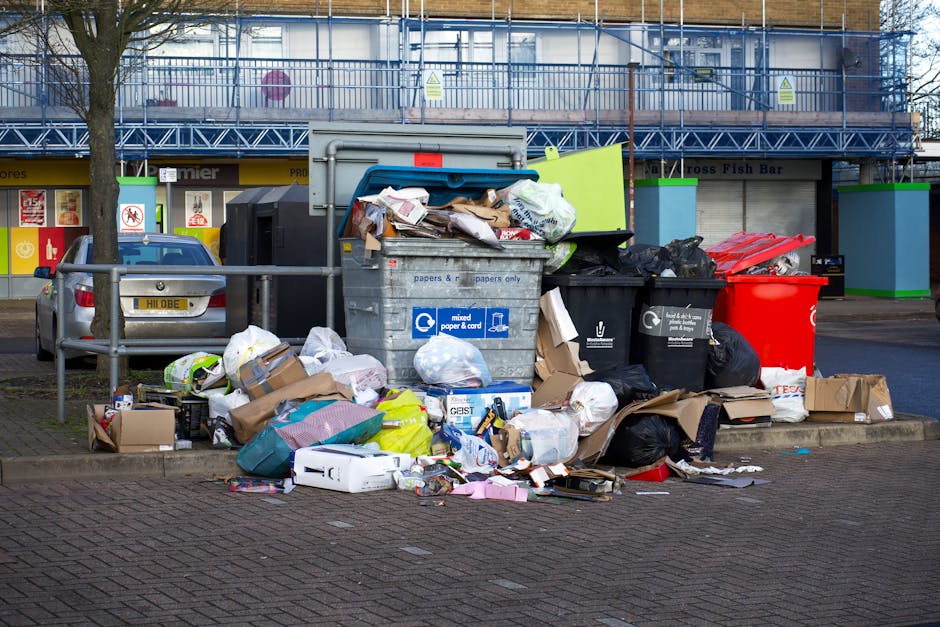
Permits and fines for illegal rubbish in Harrow Council area
Posted on 19/08/2026
If you are dealing with fly-tipping, a skip on a tight street, or the worry that someone has dumped waste outside your property, you are probably looking for clear guidance on Permits and fines for illegal rubbish in Harrow Council area. Fair enough. It can feel confusing fast: one minute you are trying to clear a garden, the next you are wondering whether a permit is needed, who is responsible, and whether a fine could land on your doorstep.
This guide breaks the topic down in plain English. You will learn how permits usually work for waste-related jobs, what counts as illegal rubbish, why enforcement matters, what the risks are for households and businesses, and how to avoid the common mistakes that lead to fines or messy disputes. We will also look at practical steps, a comparison of disposal options, and a realistic example from everyday Harrow life. Nothing fluffy. Just the stuff that helps.
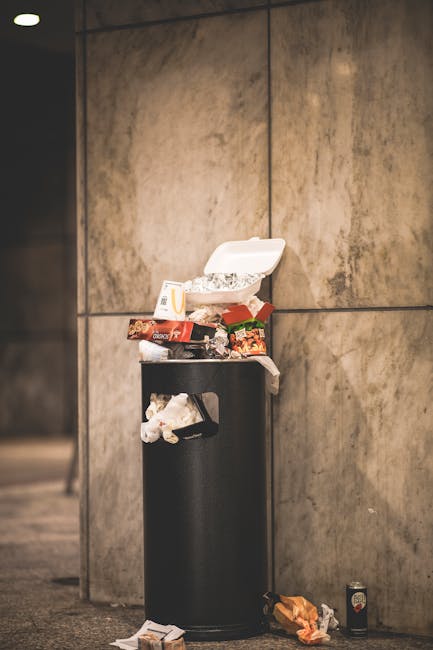
Why Permits and fines for illegal rubbish in Harrow Council area Matters
Illegal rubbish is not just an eyesore. In a busy borough like Harrow, it can block pavements, attract vermin, make roads harder to keep clean, and create friction between neighbours. You notice it most on a damp morning, when a bag split open on the kerb seems to shout louder than everything else around it.
The permit side matters because waste collection and disposal are not always as simple as "put it outside and hope for the best". Some jobs need the right permission, especially if a skip, van, or temporary storage is involved. If the wrong approach is taken, you can end up with extra charges, an enforcement headache, or responsibility for waste you never meant to leave illegally.
It also matters because many people do not realise that liability can follow the waste. If rubbish is traced back to you, even indirectly, you may need to explain how it was handed over, who moved it, and whether the collector was authorised. That is why keeping records is not just a neat admin habit. It is protection, plain and simple.
For broader local context, it can help to understand how waste services fit into daily life in the borough. If you are comparing clearance approaches or trying to avoid a rushed booking, the Harrow bulky rubbish rules guide and the common booking mistakes article are useful companions.
How Permits and fines for illegal rubbish in Harrow Council area Works
In practice, two separate ideas often get mixed together: permits and fines.
A permit is usually permission to place something on or use public land for a waste-related task. For example, some jobs involve a skip on the highway, controlled access around a property, or loading arrangements that need careful management. A permit is not always needed, but if it is, the details matter. The size of the waste container, its location, and how long it stays there can all influence what is required.
A fine is the enforcement response when waste is dumped, stored, or handled improperly. Illegal rubbish can include waste left on the street without permission, fly-tipped bags, dumped furniture, construction debris left where it should not be, or waste handed to someone who is not properly authorised to carry it away. To be fair, a lot of problems start with a rushed decision and one too many assumptions.
There is also a difference between household waste, trade waste, and builder's waste. That distinction sounds dull, but it is where many people trip up. For example, a small DIY job might feel domestic, but once materials are removed in commercial quantities, or moved by a contractor, the compliance picture changes. If you are dealing with renovation debris, the page on builders waste removal in Harrow is relevant. For day-to-day household clear-outs, domestic waste collection in Harrow is often the better starting point.
The practical takeaway? Before anything leaves your property, make sure you know three things:
- what type of waste it is
- who is collecting it
- where it is legally allowed to go
If any of those answers are fuzzy, stop and check. It saves a lot of grief later.
Key Benefits and Practical Advantages
Getting permits right and avoiding illegal rubbish issues is not just about dodging a penalty. There are several concrete advantages, and they are easy to underestimate until something goes wrong.
- Less risk of enforcement action - no one wants an unexpected fine for waste they thought had been "sorted".
- Cleaner property and street appearance - especially important near shared access roads, flats, and terraced streets.
- Safer loading and removal - proper handling reduces the chance of spillage, broken glass, or blocked access.
- Better accountability - records and legitimate carriers make it easier to prove waste was handled correctly.
- Fewer disputes with neighbours or landlords - which, let's face it, can be worth its weight in gold.
There is also a trust benefit. If you are a landlord, contractor, letting agent, or business owner, doing things properly helps show you take compliance seriously. That can matter when tenants move out, a shop refit generates waste, or a property sale leads to a tidy-up at the last minute.
For residents comparing disposal methods, the white goods and appliance disposal service and the furniture removal service can be helpful if bulky items are part of the problem. Those items are exactly where people sometimes cut corners and then regret it.
Who This Is For and When It Makes Sense
This topic matters to a wider group than people first expect. If you are thinking, "That is a council issue, not mine," you may still be closer to the risk than you think.
- Homeowners clearing lofts, sheds, gardens, or old furniture
- Renters moving out and leaving behind bulky waste
- Landlords and agents managing end-of-tenancy clearance
- Builders and tradespeople producing rubble, timber, plasterboard, or mixed construction waste
- Shop owners and offices replacing fixtures or disposing of stock
- Anyone hiring a third party to remove rubbish on their behalf
It makes sense to focus on permits and fines when the situation involves public space, shared access, large volumes of waste, or an urgent clearance where the "quick fix" feels tempting. You know the sort of moment: a sofa is already half on the pavement, it is nearly dark, and everyone is too tired to think clearly. That is exactly when mistakes happen.
If you are dealing with a house emptying or a bigger turnover, house clearance in Harrow is usually a cleaner route than improvising. For garden clear-outs, the garden waste removal option can keep green waste separate and easier to manage.
Step-by-Step Guidance
Here is a practical way to approach the problem without getting lost in the admin.
- Identify the waste properly. Separate household waste, garden waste, electricals, furniture, and building debris. Mixed waste is where confusion starts.
- Check whether anything will be placed on public land. If a skip, container, or loading setup is going onto the street or pavement area, a permit may be involved.
- Confirm who is carrying the waste. Use a properly authorised waste carrier and keep the details. If you cannot explain who took it, that is a bad sign.
- Ask for the disposal route. A legitimate operator should be able to tell you how waste will be handled, and whether recyclable material will be separated.
- Keep a simple record. Take photos before collection, save booking confirmations, and note dates. Not glamorous, but very useful.
- Watch for warning signs. Cash-only deals, vague vehicle details, or someone offering to "sort it cheap" with no paperwork are all red flags.
- Follow up if waste reappears. If rubbish is dumped nearby after collection, report it quickly and keep your own records ready.
A lot of people overcomplicate this. Honestly, the core job is simple: identify the waste, use the right collector, and keep proof. The rest is detail.
If you want to understand how an authorised operator presents itself, have a look at the waste carrier licence and compliance information, plus the company's terms and conditions. Those pages can help you spot whether a provider is behaving responsibly before anything is booked.
Expert Tips for Better Results
Small decisions make a big difference in waste compliance. The following tips are the ones that save the most hassle in real life.
- Separate waste at source. Mixed rubbish is harder to handle and easier to get wrong.
- Never assume "someone else" is responsible. If the waste came from your property, you still need to think about where it goes.
- Get written confirmation. A text or email is better than memory, especially on a busy Friday afternoon.
- Be careful with shared driveways and front gardens. Waste left in a common area can trigger complaints quickly.
- Book earlier than you think. Last-minute jobs are where poor choices creep in.
- Ask about recycling. Responsible disposal is not just about avoiding fines; it is also about handling material properly.
If your project includes fragile or heavy items, planning access matters too. Narrow gates, tight stairwells, and awkward parking can turn a straightforward clearance into a messy delay. In those cases, access issues for Harrow rubbish jobs is well worth reading before the van turns up.
And one small, very human tip: if a disposal decision feels rushed, pause for two minutes. That pause has probably saved more people from a bad booking than any fancy checklist ever could.
Common Mistakes to Avoid
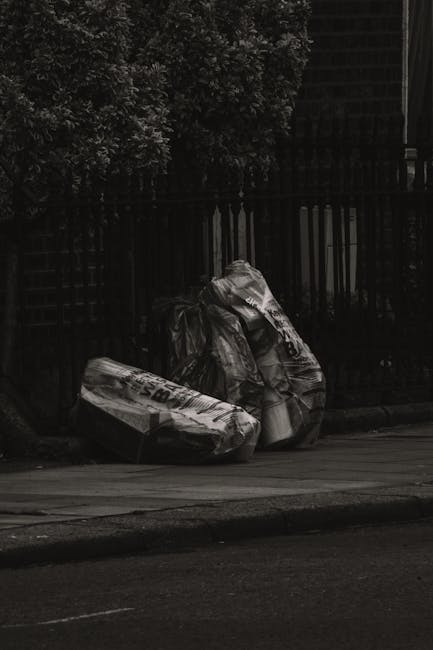
Most fines and complaints are caused by a handful of repeat mistakes. Not exotic errors. Just ordinary, annoying ones.
- Leaving rubbish out without checking permission - especially in communal or public spaces
- Hiring an unlicensed or unknown collector - cheap upfront, expensive later
- Assuming all waste is treated the same - it is not
- Mixing hazardous items with general waste - batteries, chemicals, and some electricals need extra care
- Not keeping proof of collection - if there is a dispute, evidence helps
- Overfilling skips or bags - it can cause spillages and may breach permit conditions
- Forgetting about neighbours and shared access - one complaint can escalate a simple matter
Another common issue is hidden costs. A job can look affordable until access, weight, or disposal type changes the price. If that worries you, the guide on avoiding hidden rubbish clearance charges in Harrow is practical and refreshingly direct.
Small mistake, big headache. That is how these things tend to go.
Tools, Resources and Recommendations
You do not need a huge toolkit to stay on the right side of waste rules. A few simple habits and documents go a long way.
| Tool or resource | Why it helps | Best for |
|---|---|---|
| Photo record on your phone | Shows what was there before removal | Households, landlords, trades |
| Email or text confirmation | Creates a dated trail of the booking | Anyone arranging collection |
| Separate bags or piles | Makes sorting and handling easier | Mixed household or garden clear-outs |
| Booking notes | Helps track dates, items, and collector details | Busy homes and property managers |
| Provider compliance pages | Helps you check reliability before booking | Rushed or higher-value clearances |
There are also some supporting pages on the site that help with decision-making beyond compliance. For example, if you are choosing a service, the services overview gives a broader picture of what is offered. If you want to understand pricing structure before booking, pricing and quotes is a sensible place to look.
And because safety matters, especially when lifting or handling awkward waste, the insurance and safety information can help you judge whether a provider is taking the job seriously. That stuff is boring until someone drops a fridge door on a shin. Then it becomes very interesting, very quickly.
Law, Compliance, Standards, or Best Practice
For this topic, the main takeaway is that compliance is about responsibility, traceability, and lawful disposal. Without getting lost in legal jargon, the basic best practice in the UK is straightforward: waste should be transferred to a legitimate carrier, stored or placed only where permitted, and handled in a way that does not create nuisance, danger, or environmental harm.
In practical terms, that means you should:
- avoid dumping waste on streets, verges, alleyways, or beside bins unless a lawful collection arrangement exists
- use appropriately authorised carriers for removed waste
- keep records of who collected the waste and when
- be cautious with items that may need special handling, such as electrical appliances or certain construction materials
- act promptly if waste has been fly-tipped or left illegally near your property
If you are a business or landlord, your duty of care is even more important. The standards may sound technical, but the everyday version is simple: you should know who took the rubbish, where they took it, and whether they were supposed to take it in the first place.
That is why pages like commercial waste removal in Harrow and recycling and sustainability matter. They help set expectations around proper handling rather than "dump and disappear" behaviour, which nobody needs more of.
Options, Methods, or Comparison Table
When people face waste removal in Harrow, they usually end up choosing one of a few approaches. Each has trade-offs, and the best option depends on the type of waste, urgency, access, and how much proof you want to keep.
| Method | Best for | Pros | Watch-outs |
|---|---|---|---|
| Skip hire | Large volumes, renovation work | Convenient for ongoing loading | May need a permit if placed on public land |
| Man-and-van clearance | Mixed household waste, bulky items | Flexible, often quicker | Check the collector is legitimate |
| Specialist item disposal | Appliances, furniture, certain bulky goods | Better handling of specific items | Some items need separate treatment |
| DIY transport to a disposal point | Small loads, confident DIYers | Can be cost-effective | Time, vehicle space, loading risk, paperwork |
In the real world, many Harrow residents prefer a direct collection because it reduces clutter and removes uncertainty. That can be especially helpful near busy roads, flats, or places where parking is already a minor battle, which is most of London, really.
If you are weighing options for a specific job, best rubbish clearance services near Harrow on the Hill and rubbish clearance near Harrow Station and St George's offer useful local reading on how access and convenience affect the choice.
Case Study or Real-World Example
Here is a realistic example. A family in Harrow finishes a loft clear-out on a Saturday morning. They have old boxes, a broken wardrobe, a garden bench, and a few bags of mixed household items. A neighbour says, "Just leave it by the wall and someone will deal with it." Tempting, but risky.
Instead, they separate the items into two groups: reusable furniture and general waste. They check whether anything will end up on the pavement and decide not to use the street at all. They book a legitimate collection, keep the confirmation message, and take a couple of photos before the items are removed. The collector turns up on time, loads everything, and provides a clear trail of what has gone. Simple job. No drama.
Now compare that with the messy version. Same items, but left outside overnight because the family ran out of energy. A passer-by adds more rubbish. A complaint follows. Nobody can prove who moved what. The whole thing becomes a headache, and the original household is left explaining a pile they never meant to create. Not ideal. Not even close.
That is why people searching for permits and fines in Harrow are usually not looking for bureaucracy for its own sake. They are looking for a way to avoid exactly this kind of muddle.
Practical Checklist
Use this quick checklist before you put anything out for collection or arrange removal.
- Have I identified the exact type of waste?
- Do I know whether a permit is needed for where it will sit or be loaded?
- Have I checked who is taking it away?
- Do I have written confirmation of the booking or collection?
- Have I separated electricals, furniture, garden waste, and builder's debris?
- Have I avoided leaving rubbish on public land without permission?
- Have I kept photos or notes in case there is a dispute later?
- Do I know what happens if the collector cannot access the property?
- Have I asked about recycling or specialist disposal where needed?
- Would I be comfortable explaining this arrangement to a neighbour, landlord, or council officer if asked?
If the answer to any of those is "not really", take a breath and sort that part first. Much better to delay the job by an hour than to deal with a fine, complaint, or awkward call afterwards.
Get a free quote today and see how much you can save.
Conclusion
Permits and fines for illegal rubbish in Harrow Council area are really about one thing: keeping waste handling clear, lawful, and traceable. Once you understand who is responsible, what counts as improper disposal, and when permission may be needed, the whole process becomes much less intimidating.
The safest approach is also the simplest. Separate your waste, use a proper collector, keep records, and avoid leaving anything in a public or shared space unless you know it is allowed. That way, you protect your property, your time, and your peace of mind. And honestly, that is worth a lot on a busy week.
Do the small things properly now, and the bigger problems usually never arrive. A tidy plan has a quiet kind of power.