Rubbish collection spots in North Harrow and HA2
Posted on 29/05/2026
Rubbish collection spots in North Harrow and HA2: a practical local guide
If you live, work, or are clearing out a property around North Harrow and the wider HA2 area, rubbish collection spots can save you a lot of time, hassle, and awkward guessing. The trick is knowing what belongs where, what can be taken off your hands responsibly, and what to do when the usual bin route just won't cut it. That sounds simple, but in real life it's often a bit messy. A broken chair, a few black bags, a rusty frame, half a shed, then suddenly you are juggling schedules, recycling rules, and whether the van can actually park near the load.
This guide breaks down how rubbish collection spots in North Harrow and HA2 work, who they suit, the common mistakes people make, and how to choose the right disposal route. You'll also find a comparison table, a hands-on checklist, and a local-minded walkthrough that should make the whole thing feel less faffy. If you need broader context on the area itself, you might also find this Harrow area guide useful.
Quick takeaway: the best rubbish solution is rarely "just dump it somewhere". The smart approach is matching the waste type to the correct collection method, keeping access in mind, and using a licensed service when the load is too bulky, mixed, or urgent.
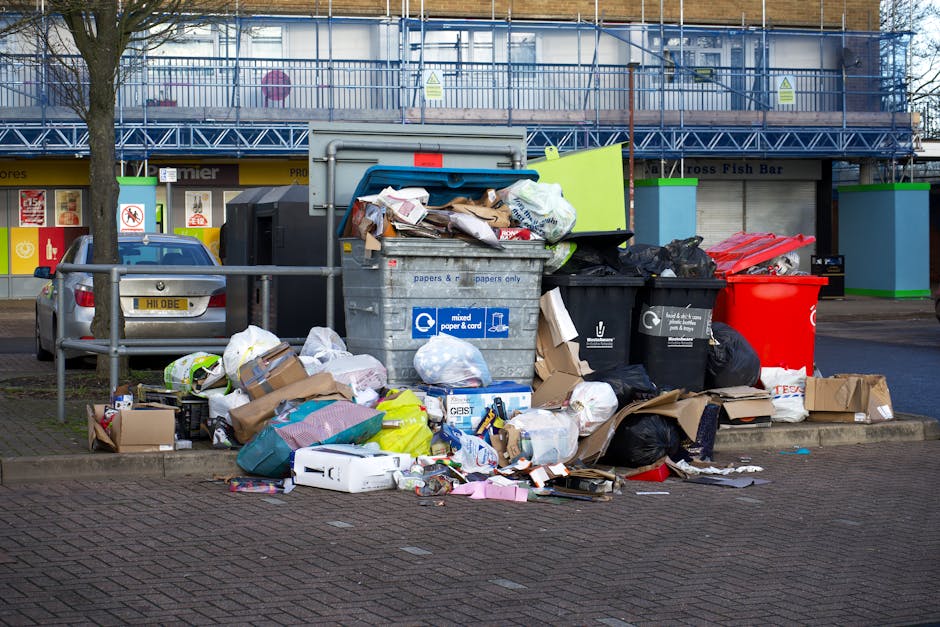
Why Rubbish collection spots in North Harrow and HA2 Matters
North Harrow and HA2 cover a mix of streets, homes, small businesses, and older properties where waste can build up quickly. A narrow frontage, shared access, or limited on-street parking can make even a simple clearance feel like a minor logistics puzzle. That is exactly why understanding local rubbish collection spots matters: it helps you avoid fly-tipping risks, missed collections, and the classic "where on earth do I put this?" moment on a Tuesday morning.
It also matters because not all rubbish is equal. A couple of sacks of domestic waste, a sofa, broken DIY debris, and a fridge all need different handling. One spot or service might be fine for bagged household waste, while another is better for bulky items or mixed loads. If you choose the wrong route, you can waste time, create mess, or end up paying twice. To be fair, that is the sort of thing people only learn once, usually the hard way.
There is another local layer too. In areas like HA2, the disposal route often depends on practical access rather than just volume. If a collection vehicle can't get close enough, or the waste is stored awkwardly, the job becomes more complicated. That is why many residents and landlords prefer a clear plan before anything is moved out. It keeps the pavement tidy, avoids neighbour complaints, and makes the whole process feel much calmer.
For readers who are comparing service types, the wider services overview gives a helpful sense of how different clearance options fit different waste problems.
How Rubbish collection spots in North Harrow and HA2 Works
In practical terms, "rubbish collection spots" can mean a few different things. For some people it refers to where waste is placed for authorised collection. For others it means the most suitable pickup point at a property, a shared forecourt, a driveway, or a roadside position where a clearance team can safely load items. The right setup depends on the waste, the property, and how quickly you need it gone.
Here's the basic flow. First, identify what needs removing. Then separate what can be recycled, what needs special handling, and what can go in a general load. Next, decide the best collection point. That might be a front garden, a private drive, the edge of a service road, or a temporary stacking area indoors before lifting everything out. The aim is simple: safe, efficient access without blocking neighbours or creating an eyesore.
In residential parts of North Harrow, people often work around the realities of terraced streets, shared entrances, and small front areas. In HA2, you may also see mixed property types and busy roads where timing matters. Early morning or mid-afternoon can make a real difference. One van, one loading point, one clear path. Nice and simple when it works. Messy when it doesn't.
For everyday household waste, a local domestic collection service can be the most straightforward option. If the waste is broader than ordinary bin contents, domestic waste collection in Harrow is often the cleaner route. For larger household clear-outs, house clearance support may be a better fit, especially where items are spread through multiple rooms or a loft.
Key Benefits and Practical Advantages
The main advantage of having a sensible rubbish collection setup is reduced friction. You spend less time dragging things around, less time guessing what can be taken, and less time worrying about whether everything will actually fit. Sounds obvious, but it makes a big difference on the day.
There are also a few practical gains people often overlook:
- Cleaner access: the collection point can be chosen so it does not block hallways, driveways, or neighbours' routes.
- Better recycling: separating reusable and recyclable items early improves diversion from landfill and keeps materials cleaner.
- Faster turnaround: the right loading point reduces manual carrying and saves time.
- Lower disruption: less noise, less mess, fewer complaints from adjoining properties.
- Safer handling: fewer awkward lifts and fewer chances of damaging walls, floors, or stair rails.
For people renovating or decorating, this matters even more. A pile of builders' rubble tucked into the wrong corner can become a trip hazard before you know it. If your waste includes plasterboard, offcuts, tiles, or demolition debris, a dedicated route such as builders' waste removal in Harrow is usually more sensible than trying to force everything through a general household disposal plan.
And for bulkier household items, such as wardrobes, beds, or old office desks, dedicated furniture removal can be a huge relief. Truth be told, wrestling a three-seater sofa through a narrow hallway is nobody's idea of fun.
Who This Is For and When It Makes Sense
This topic is useful for a surprisingly wide range of people. If you live in a flat, manage a rental, run a small business, or are helping a relative clear a home, you will likely hit a point where ordinary bin collection is no longer enough. That is where well-planned rubbish collection spots come in.
It makes sense for:
- Homeowners clearing garages, sheds, lofts, or front gardens
- Tenants preparing for a move and needing to dispose of bulky items
- Landlords and letting agents handling end-of-tenancy waste
- Tradespeople with light construction or renovation waste
- Local businesses with packaging, stock, or office clearance needs
- Older residents or busy families who need a more managed, less physically demanding option
There is also a very common real-life trigger: the "we need this gone by tomorrow" situation. A sale is moving quickly, a new tenant is due in, or a builder has finished earlier than expected and left a trail of debris. In those moments, a planned collection point is worth its weight in tea and biscuits.
If you're thinking beyond waste and looking at the local area more broadly, the post on whether Harrow suits different lifestyles gives useful context on day-to-day living in the borough.
Step-by-Step Guidance
Here is a straightforward way to approach rubbish collection in North Harrow and HA2 without overcomplicating it.
- List the waste types. Separate general rubbish, recyclables, bulky items, green waste, and anything special such as fridges or paint tins.
- Measure the access. Check gates, stairways, driveway width, parking restrictions, and whether the loading point is close enough for practical collection.
- Decide what can be reused or recycled. Not everything needs to be thrown away. Some items may be suitable for reuse, donation, or material recovery.
- Choose the collection method. For small bagged waste, domestic collection may be enough. For mixed or bulky items, a clearance service is often easier.
- Prepare the collection spot. Stack items neatly, keep pathways clear, and make sure fragile or sharp objects are wrapped or separated.
- Confirm timing. Agree when the team will arrive and ensure somebody is available if access needs to be opened.
- Check the finish. Once the waste is removed, walk the area and make sure no debris, nails, or broken glass has been left behind.
If you have mixed waste, it's often worth sorting from the top down. Start with the easy stuff first: cardboard, plain metal, reusable furniture, and garden cuttings. Then deal with the awkward bits. That tiny bit of planning can save a lot of back-and-forth later.
Expert Tips for Better Results
In our experience, the smoothest collections are the ones that feel almost boring on the day. No last-minute reshuffling, no blocked passageways, no surprise "oh, we forgot the old mattress". Here are a few practical tips that genuinely help.
- Keep one clear loading route. If you can, avoid moving waste through multiple rooms or across freshly cleaned floors.
- Use weather protection. Wet cardboard, soggy fabrics, and damp wood are awkward to handle and often harder to recycle.
- Group similar materials. Metal with metal, cardboard with cardboard, green waste together. It makes sorting faster.
- Label awkward items. If something is sharp, heavy, or fragile, say so up front.
- Take photos before collection. Handy for records, especially for landlords, landlords' agents, and small businesses.
- Ask about recycling. A responsible service should be able to explain what will be diverted, not just say "we'll take it".
One little local habit that helps: put your collection point somewhere that won't annoy the neighbours at 7am. Sounds basic, but a tidy corner and a sensible time slot can save a lot of muttering over the fence.
For readers who care about how waste is processed after pickup, the page on recycling and sustainability is a useful companion read. It helps frame disposal as more than just "away"; it should be sorted, recovered, and handled responsibly where possible.

Common Mistakes to Avoid
Most waste problems come from small avoidable mistakes, not dramatic ones. The good news? They're easy to fix once you know what to look for.
- Mixing everything together. A mixed pile can be harder to sort and may reduce recycling options.
- Blocking access. If the team cannot get close enough to the load, the job takes longer and may cost more.
- Leaving items outside too early. This can attract rain, pests, or the wrong kind of attention.
- Assuming every item is standard waste. Fridges, freezers, electricals, and some construction materials may need special handling.
- Not checking the provider's credentials. Waste should only be passed to a properly authorised operator.
- Forgetting about neighbours or shared areas. A tidy, considerate setup avoids friction in blocks and terraces.
There is also the old trap of underestimating volume. That pile of "just a few bits" can grow surprisingly fast once you start pulling it apart. Suddenly it is not a few bits at all. We've all been there.
Tools, Resources and Recommendations
You do not need a van full of specialist kit to manage rubbish properly, but a few simple tools make things much easier.
- Heavy-duty rubble sacks: useful for bagging loose waste safely.
- Work gloves: especially important for broken items, garden waste, and old furniture.
- Tape, labels, and marker pens: ideal for separating recyclables or marking hazardous materials.
- Measuring tape: helpful when checking whether bulky items will fit through doors or gates.
- Phone camera: useful for documenting load size, access, and item condition before removal.
On the service side, a few internal resources can help you narrow down what you actually need. If your load includes appliances or old white goods, take a look at white goods and appliance disposal in Harrow. If you are dealing with garden cuttings, soil, or hedge waste, garden waste removal is usually the better match. And for larger clear-outs involving multiple item types, house clearance support can save a very long weekend.
For anyone vetting a provider, the best little habit is asking simple questions: what happens to the waste, how is it sorted, and is the service fully insured? The answers tend to tell you a lot without any fluff.
Law, Compliance, Standards, or Best Practice
Waste disposal in the UK is not something to treat casually. If you hand rubbish to the wrong person, or use an unlicensed operator, you can expose yourself to avoidable risk. That is especially true where fly-tipping is a concern or where the waste could later be traced back to your property.
As a rule of thumb, use operators who are transparent about their waste carrier licence and compliance practices. They should be able to explain how they transport waste, what documentation is available, and how items are handled after collection. A trustworthy provider will not make a fuss about basic questions. In fact, they should welcome them.
Safety matters too. Heavy lifting, sharp materials, electrical items, and contaminated waste all carry risk. Good practice includes clear access, proper manual handling, protective equipment, and sensible separation of materials. If you want to understand the operator side a little better, waste carrier licence and compliance explains the trust signals you should look for, while insurance and safety is useful if you want reassurance around handling and liability.
There are also broader standards around fair business conduct, privacy, and payments. Those may not be the first things on your mind when you are staring at a pile of junk in the hallway, but they matter. Responsible firms should be clear about pricing and quotes, payment and security, and their terms and conditions. That's just basic good practice, really.
Options, Methods, or Comparison Table
Choosing the right rubbish collection route often comes down to access, waste type, and urgency. The table below gives a simple side-by-side view.
| Method | Best for | Strengths | Watch-outs |
|---|---|---|---|
| Domestic waste collection | Bagged household waste and smaller everyday items | Simple, tidy, usually quick | Not ideal for bulky or mixed loads |
| Bulky item removal | Furniture, mattresses, large awkward items | Saves lifting and transport hassle | May need access planning and item prep |
| House clearance | Whole-room, loft, garage, or probate-style clear-outs | Efficient for larger jobs | Best when you know what stays and what goes |
| Builders' waste removal | DIY debris, refurbishment waste, light construction materials | Handles heavier, messier waste streams | Some materials may need special sorting |
| Garden waste removal | Cuttings, branches, soil, green waste | Cleaner than trying to bin it in stages | Wet or contaminated loads can be harder to process |
If you are still unsure which route makes most sense, a services page can help narrow the choice before you book. It's one of those cases where a little reading first saves a lot of aggravation later.
Case Study or Real-World Example
A fairly typical North Harrow scenario goes like this. A homeowner is preparing a flat for new tenants and finds a mix of items in the hallway, one old wardrobe, a dismantled desk, a broken microwave, several bin bags, and a few garden trimmings from the back yard. Nothing is extreme, but together it becomes a headache.
The first instinct is usually to spread the items around the front entrance and hope for the best. Not a great plan. Instead, they separate the waste into four groups: reusable items, electricals, furniture, and general rubbish. The collection point is moved to a clear part of the drive so loading can happen without blocking neighbours. Fragile pieces are wrapped, and the bulky items are placed nearest the access point.
The result? Faster collection, less lifting, and no scrambling at the last minute. The tenant handover stays on track. The hallway stays clean. And the homeowner avoids that stressful, slightly sweaty "why did we leave this until the night before?" feeling. It is not glamorous, but it works.
That sort of practical setup also tends to work better for property changes more broadly, which is why some readers exploring local moving or investment plans also browse the blog on property transactions in Harrow or buying property in Harrow. Waste management and property turnover often go hand in hand.
Practical Checklist
Use this checklist before the collection team arrives.
- Sort waste into clear categories: general, recyclable, bulky, electrical, garden, and builders' waste.
- Check that the collection point is easy to reach and not blocked.
- Measure any narrow gates, staircases, or internal doorways.
- Put sharp or breakable items in safer packaging.
- Remove personal documents, valuables, and sensitive paperwork.
- Confirm whether appliances or special items need separate handling.
- Make sure somebody knows when access will be needed.
- Keep pathways clear for safe lifting and movement.
- Ask how recycling and disposal will be handled.
- Do a quick final sweep once the load has gone.
Useful rule of thumb: if it would be awkward to carry through your home, it will probably be awkward to remove from it too. Plan for that early. Your back will thank you.
Get a free quote today and see how much you can save.
Conclusion
Rubbish collection spots in North Harrow and HA2 are really about making waste removal work in the real world: tight access, mixed loads, ordinary schedules, and the occasional last-minute scramble. Once you know how to match the waste to the right collection method, the process becomes much easier to manage. You save time, reduce stress, and avoid the common mistakes that turn a simple clear-out into a long weekend job.
Whether you are clearing a flat, refreshing a garden, dealing with builders' debris, or just trying to get a bulky sofa out of the way, a bit of planning goes a long way. Keep it tidy, keep it legal, and keep it practical. That is usually the winning formula.
And if you are weighing up a broader service option, the team's about us page is a good place to learn more about who is behind the work. Small detail, maybe. But trust is built in those small details.
Sometimes the best local jobs are the ones that quietly disappear before lunch. Nice when that happens.